African-American Flag: A Symbol of Heritage and Design
Understanding the Visual Power of the African-American Flag
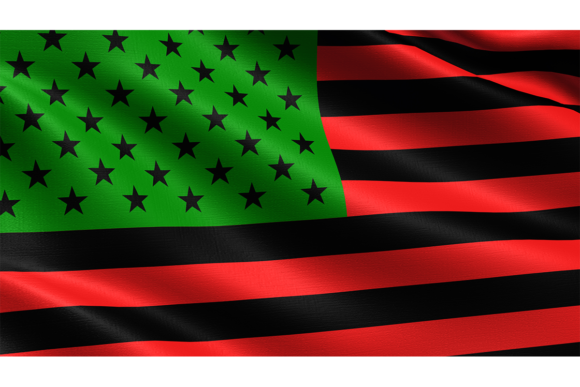
When you first see a high-resolution image of the African-American Flag waving in the wind, it’s more than just a piece of fabric; it’s a statement of identity. This specific asset captures the flag in a realistic setting, complete with a highly detailed fabric texture that adds depth and authenticity to any visual project. The image is designed to be a versatile background element, offering a powerful way to incorporate cultural significance into your work. Whether you are a designer looking for a meaningful backdrop or a small business owner wanting to celebrate heritage, this flag image provides a distinct visual anchor. It’s not just a static graphic; it’s a dynamic element that brings movement and emotion to a presentation, website, or social media post.
The visual characteristics of this asset are what make it stand out. The resolution is a crisp 3840×2160px, which means it holds up beautifully on large screens and in high-quality print. You can zoom in and see the weave of the fabric, the way the light plays on the folds, and the subtle ripples created by the wind. This level of detail is crucial for creating a professional and immersive experience. The color palette of the African-American Flag itself is a powerful blend of red, black, and green, each carrying deep historical and symbolic meaning. When rendered with such realistic texture, these colors don’t just sit on a surface; they feel tangible and alive.
Practical Applications for Designers and Creators
So, where does an asset like this fit into your creative toolkit? The possibilities are broad, but let’s break down some practical scenarios. For presentation backgrounds, this image immediately sets a tone of respect and awareness. Imagine a corporate diversity training slide or a community organization’s annual report with this flag subtly waving in the background. It adds context without overwhelming the text. For social media graphics, it’s a perfect way to mark cultural observances like Black History Month or Juneteenth with genuine visual impact. Instead of using generic clip art, you’re using a realistic, textured image that resonates more deeply with your audience.
In the realm of brand identity and logo design, this flag can serve as an inspirational element. While you wouldn’t use the image directly in a logo, its colors and symbolism can inform a brand’s palette and overall aesthetic. A fashion brand, a bookstore, or a music label that wants to align itself with African-American heritage might draw from the flag’s color harmony. For editorial design, such as in magazines or book covers, the textured flag image can be used as a background layer to add a layer of storytelling. It works particularly well in layouts that aim to be both modern and rooted in history.
From a technical standpoint, the .jpg format is widely compatible, making it easy to drop into almost any software—from Adobe Creative Suite to Canva. The high resolution ensures that even if you crop a section for a banner or a social media post, the quality remains intact. This kind of premium font—or in this case, premium asset—thinking is what separates a polished project from an amateur one. You’re not just grabbing any image; you’re selecting one with the right resolution, texture, and emotional weight for the job.
Integrating Meaningful Design into Your Workflow
Choosing the right design asset often comes down to how well it aligns with your project’s goals and your audience’s expectations. The African-American Flag image is a prime example of an asset that carries more than just aesthetic value. It’s a creative font in the sense that it’s a creative tool with a specific voice. When you use it, you’re making a conscious choice to include a symbol of resilience, pride, and history. This can influence how your brand is perceived, adding layers of meaning that a generic background simply can’t provide.
Think about visual hierarchy in your designs. If you’re using this flag as a background, you need to ensure that your foreground text and elements are still highly readable. This might mean adding a subtle overlay, adjusting the opacity, or placing text in a solid-colored container. The key is to let the flag enhance your message without competing with it. In web design, for instance, a parallax effect with this image can create an engaging scrolling experience, but you’d want to test how it interacts with your site’s overall color scheme and typography.
For those involved in packaging design, especially for products that celebrate or are inspired by African-American culture, incorporating this flag into the background of a label or box design can add a layer of authenticity. It’s about creating a cohesive brand identity that tells a story. Similarly, in motion graphics, the waving fabric texture can be animated subtly to add life to video intros or lower thirds. The file’s high resolution makes it suitable for 4K video projects, ensuring your visuals are sharp and professional.
Ultimately, the value of an asset like the African-American Flag lies in its ability to connect. It’s not just a decorative element; it’s a conversation starter, a point of recognition, and a tribute. As you evaluate design assets for your next project, consider not just what looks good, but what feels right and communicates your intended message with clarity and respect. This flag, with its realistic texture and powerful symbolism, is a tool that can help you do just that, elevating your work from simply visual to truly meaningful.