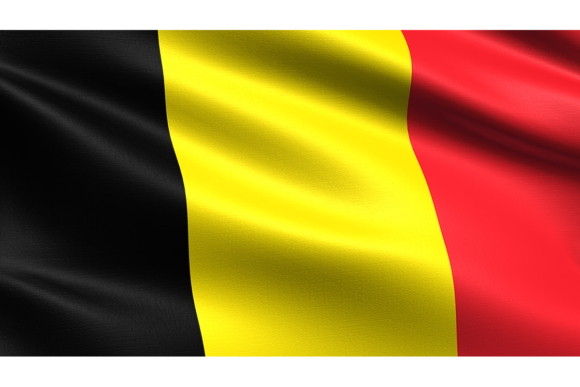
Belgium Flag with Waving Fabric Texture: A Designer's Asset
More Than Just a Symbol: The Power of Realistic Textures
When you need to represent Belgium in a design, you could use a simple, flat vector graphic. It’s clean, scalable, and instantly recognizable. But often, that approach lacks a certain depth, a sense of place and reality. This is where the Belgium Flag, with Waving Fabric Texture comes into play. It’s not just a flag; it’s a piece of highly detailed digital craftsmanship. Imagine the rich, vertical stripes of black, yellow, and red, but rendered with the subtle shadows, highlights, and folds of a real piece of fabric caught in a gentle breeze. This texture adds a layer of tactile realism that flat graphics simply cannot achieve.
The visual personality of this asset is one of authenticity and movement. The "waving" effect isn't a static, awkward crumple. A well-executed version, like the one described here, features a beautiful, fluid motion. The fabric ripples naturally, with each fold catching the light differently, creating a dynamic interplay of color and shadow. The highly detailed fabric texture gives it a physical presence; you can almost feel the weight and weave of the material. This level of realism makes it a powerful tool for any project aiming for a professional, polished, and believable aesthetic. It transforms a simple icon into a compelling visual story.
Strategic Applications for Designers and Creatives
The true value of a premium design asset like this lies in its versatility. Its high resolution of 3840×2160px makes it a powerhouse for both digital and print media. For web design, it serves as an exceptional background element for a hero section, especially for businesses with Belgian ties, travel blogs, or cultural event pages. It provides a rich, engaging backdrop that doesn't overwhelm the foreground content when used with appropriate overlays or opacity. In social media graphics, it can instantly elevate a post, making announcements about Belgian heritage, products, or travel experiences more visually arresting and shareable.
Beyond the digital realm, its applications in print are equally compelling. For editorial design, imagine this flag texture used as a full-page background in a magazine feature about Belgian cuisine, history, or the Tour de France. It sets an immediate tone. In packaging design, a subtle integration of the waving fabric texture can add a layer of national pride and quality to products like Belgian chocolates, beers, or waffles. For presentation backgrounds, it moves a standard corporate or academic deck from mundane to memorable, grounding your content in a strong visual theme. Even for personal projects—like a digital scrapbook, a custom invitation, or a craft project mockup—this asset adds a professional touch that hobbyists and crafters will appreciate.
Integrating the Asset: Practical Guidance for Maximum Impact
Successfully using a dominant visual like the Belgium Flag, with Waving Fabric Texture requires a thoughtful approach. First, consider your brand identity. Does this level of realism and national symbolism align with your brand's voice? It’s perfect for brands that want to convey tradition, authenticity, or a direct connection to Belgium. It might be less suitable for a minimalist, ultra-modern tech startup unless used in a very specific, contextual way.
Next, focus on visual hierarchy. Because the flag texture is so detailed and engaging, it will naturally draw the eye. Use it as a background, but ensure your primary text and call-to-action elements are placed on a solid, contrasting color block or use a semi-transparent overlay to guarantee readability. The goal is to let the texture support your message, not compete with it. When pairing fonts, opt for clean, strong sans-serif typefaces for body text to maintain clarity against the complex background. A classic serif font could work for headlines to echo a sense of tradition.
Finally, always check the licensing. A commercial font or asset license is essential if you're using this for client work, merchandise, or any project that generates revenue. Ensure the file format (in this case, .jpg) and resolution meet your project's technical requirements. For motion graphics, the high resolution provides excellent flexibility for panning and zooming effects. By evaluating the project fit, testing how it interacts with your other design assets, and respecting the licensing terms, you can leverage this beautiful, realistic flag texture to create work that is both visually stunning and strategically sound.