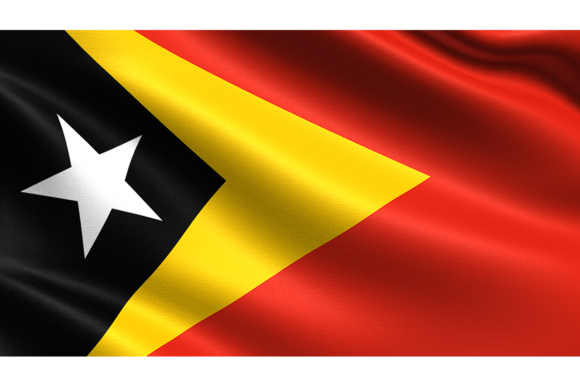
Chile Flag Waving Fabric Texture for Dynamic Design
There’s a specific kind of energy that a static image often fails to capture. You can have the perfect composition, the right color palette, and flawless typography, yet the result still feels flat. It lacks the tactile connection to the real world. This is exactly why high-quality textures have become the secret weapon for modern designers. They bridge the gap between digital perfection and organic reality. When we talk about adding depth to a project, few elements command attention quite like a Chile Flag, Waving Fabric Texture. It is not merely a graphic; it is a statement of movement and authenticity that transforms the background of any presentation or publication.
The Anatomy of Realism: More Than Just Pixels
Understanding what makes a realistic flag asset valuable requires looking beyond the subject matter. Yes, it depicts the Chilean national symbol, but the true value lies in the "waving fabric" aspect. This specific image offers a highly detailed fabric texture that captures the way light interacts with cloth. You see the subtle shadows in the folds, the highlights where the material catches the wind, and the slight variations in weave that prove this is a tactile object, not a flat vector.
For a designer, this level of detail is crucial. A flat image of a flag looks like clipart from the early 2000s. A Chile Flag, Waving Fabric Texture, however, brings a sense of motion to the composition. It suggests a breeze, an environment, and a physical presence. This is the kind of asset that fits perfectly into the category of premium font style imagery—resources that are curated for quality rather than just utility. It possesses a personality that is bold, patriotic, and inherently dynamic. It works beautifully as a standalone hero image or as a supporting element that adds texture to a larger layout.
Practical Applications: Where Texture Meets Strategy
One of the most common mistakes in web design and editorial design is the reliance on sterile, stock environments. If you are creating content for a global audience, a travel blog, or a business with ties to South America, context matters. Using a Chile Flag, Waving Fabric Texture allows you to localize your visual language immediately.
Consider the versatility of this asset across different media. It is an excellent resource for social media graphics, where stopping the scroll is the primary goal. The realistic texture creates a depth that flat colors cannot achieve. For motion graphics, this image is a goldmine. Because it is a high-resolution 3840×2160px file, it allows for panning and zooming effects in video editing. You can simulate a camera slowly drifting across the fabric, creating a cinematic opening for a video presentation or a YouTube intro.
Furthermore, in packaging design or brand identity for niche products, texture conveys quality. If you are designing a label for a Chilean wine or a product brochure, overlaying this fabric texture—perhaps at a low opacity—can add a sophisticated, tactile feel to the print. It moves the design away from digital sterility and toward something that feels handcrafted and real.
Integrating Texture with Typography
A background is only as good as the foreground it supports. When you introduce a complex, realistic element like the Chile Flag, Waving Fabric Texture, your approach to typography must adapt. This is where the choice of typeface becomes a strategic decision.
Because the flag texture is busy and organic, it pairs best with clean, geometric sans serif font families. A bold, modern sans serif creates a necessary contrast, ensuring your text remains legible against the undulating fabric. You want the letters to pop off the screen, not get lost in the folds of the cloth. Conversely, using a highly decorative script font or handwritten font directly on top of a waving flag can be risky. It often leads to a cluttered look where the eye doesn't know where to focus.
However, there are exceptions. If you are going for a vintage logo design aesthetic, a strong serif font with high contrast can work, provided you place a solid color overlay or a text box between the image and the type. The goal is visual hierarchy. The flag provides the emotion and context; the typography provides the message. By balancing the two, you maintain readability while leveraging the emotional weight of the imagery.
Technical Specifications for Professional Use
For professionals in print document creation or large-format displays, resolution is non-negotiable. This asset boasts a resolution of 3840x2160px, which makes it a versatile design asset for 4K video production and high-quality print materials.
- File Format: The .jpg format ensures broad compatibility across all major software, from Adobe Photoshop and Illustrator to Canva and PowerPoint.
- Resolution: At 3840x2160px, it supports modern typography layouts that require crisp edges, even when cropped significantly.
- Integration: It is optimized for presentations, ensuring that adding this background won't bloat your file size excessively while maintaining visual fidelity.
When using this in a professional capacity, think about how it fits into your broader brand identity. Consistency is key. If you use this realistic texture in your hero image, consider using a subtle pattern derived from it in your footers or sidebars. This creates a cohesive visual language that feels intentional and curated.
Real-World Scenarios and Recommendations
Let’s look at how different professionals might leverage this specific image. A travel blogger could use it as a header image for a post about Santiago, instantly setting the geographic tone without a single word of text. A marketer running a campaign for a sports event could use it as a background for Instagram Stories, overlaying countdown timers and bold text to generate excitement.
For a small business owner selling goods on Etsy, this image could serve as a banner for a shop section dedicated to Chilean imports. It adds legitimacy and a sense of place. Even for personal projects, such as a family heritage scrapbook or a digital invitation for a national holiday celebration, the Chile Flag, Waving Fabric Texture elevates the project from amateur to polished.
When evaluating fit, always test your color palette against the flag. The Chilean flag features white and red, which are strong, high-contrast colors. Ensure your text colors—whether black, white, or a brand accent color—complement these tones rather than clashing with them.
Final Thoughts on Asset Selection
In the world of digital content, the details separate the good from the great. A stock photo of a flag is easy to find, but a waving fabric texture with high fidelity is a specialized tool. It requires no modification to look professional; it simply works. Whether you are crafting a presentation for a corporate client or designing a personal poster, this asset provides the realism and dynamism needed to capture attention. It is a versatile, high-quality resource that belongs in the toolkit of any serious creative professional.