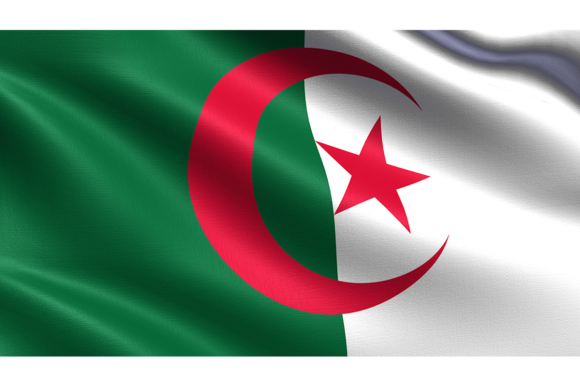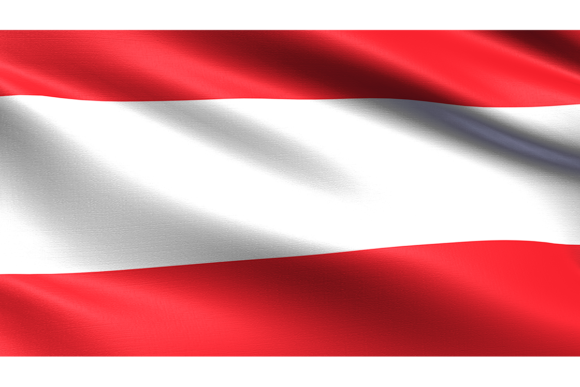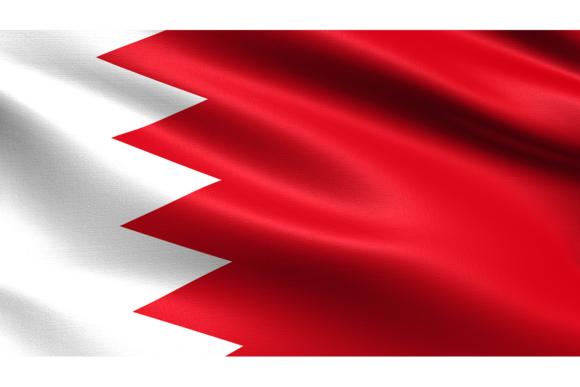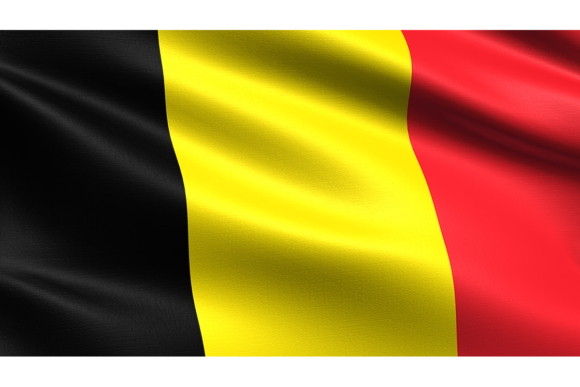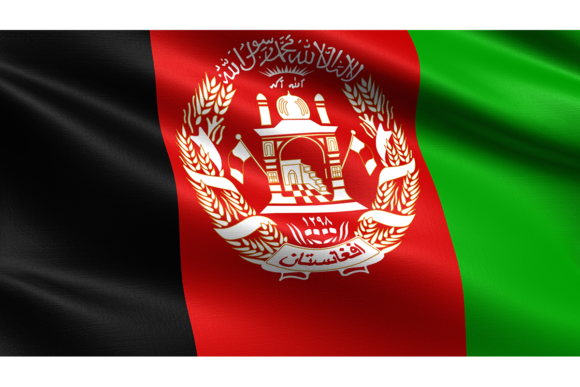
Afghanistan Flag with Waving Fabric Texture
A Dynamic Visual Asset for Modern Creators
Finding the right imagery for a project often feels like searching for a specific note in a symphony. You need something that conveys a precise mood, carries a certain weight, and integrates seamlessly into your broader design language. The Afghanistan Flag with Waving Fabric Texture is one such asset, offering far more than a simple, flat representation of a national symbol. It presents a high-resolution, tactile depiction of the flag, caught in motion, with the rich detail of its material brought to the forefront. This is not just a logo on a page; it is a piece of visual storytelling, rendered at 3840×2160px to provide stunning clarity for the most demanding applications.
The core of this asset’s appeal lies in its realism. The waving fabric texture introduces a sense of life, energy, and context. You can almost feel the weight of the material, see the subtle play of light and shadow across its folds, and perceive the movement of the wind. The Afghanistan flag itself, with its vertical stripes of black, red, and green centered on the national emblem, is rendered with meticulous attention to color fidelity and proportional accuracy. This combination of symbolic precision and artistic realism creates a versatile design element that feels both authentic and visually compelling.
Practical Applications Across Design Disciplines
The value of a high-quality asset like the Afghanistan Flag with Waving Fabric Texture is measured by its utility. For designers working in editorial and publishing, this image can anchor a feature story, a magazine cover, or a documentary poster with immediate gravitas. Its resolution ensures it holds up beautifully in large-format print, making it suitable for event backdrops, conference signage, or high-end brochures where pixelation is unacceptable.
In the digital realm, its applications are equally broad. Web designers can use it as a hero image to establish a powerful visual theme for sites related to cultural affairs, international news, or educational content. The dynamic texture prevents the background from feeling static, adding a layer of sophistication. For social media managers and content creators, the flag becomes a potent tool for engagement. It can serve as a compelling backdrop for quotes, announcements, or tribute posts, instantly communicating respect and cultural awareness. Its high resolution means it can be cropped and repurposed across various platform dimensions—stories, banners, posts—without losing impact.
For marketers and brand strategists, this asset offers a nuanced way to incorporate national symbolism. Rather than using a flat, corporate-style graphic, the waving texture adds a human, almost celebratory tone. It can be integrated into presentations for international business ventures, used in packaging design for products with Afghan heritage, or featured in motion graphics for video intros. The realism of the fabric makes it particularly effective in contexts where authenticity and emotional resonance are paramount.
Integrating the Asset: From Concept to Final Design
Choosing to use a powerful symbol like a national flag carries a responsibility to use it respectfully and effectively. The first step is evaluating the project’s fit. Is the context appropriate? Is the tone one of celebration, education, solidarity, or professional reference? The waving fabric texture leans towards a dynamic, respectful, and proud portrayal, which should align with your message.
When integrating the Afghanistan Flag with Waving Fabric Texture, consider its role in your visual hierarchy. As a high-contrast, detailed image, it can dominate a layout. A successful approach is often to use it as a full-bleed background with text overlaid in a clean, highly readable sans serif font. The complexity of the flag’s texture demands simplicity in typography to maintain legibility. Alternatively, you could use it as a focal element within a grid, paired with ample white space and supporting display fonts that complement its stature without competing.
Font pairing is a critical consideration here. The flag itself is a strong visual statement. Pair it with typefaces that have a clear, confident voice. A modern serif font can lend a sense of tradition and authority, while a geometric sans serif can offer a clean, contemporary counterpoint. Avoid overly ornate script fonts or handwritten fonts that might clash with the flag’s formal dignity, unless the specific creative brief calls for a deliberately contrasting style.
From a technical standpoint, the .jpg format and 4K resolution make this a premium font equivalent in the world of design assets. It’s built for commercial use in professional projects. Before finalizing, always test the asset at the intended output size. Check that the fabric texture reads as intended on a printed page versus a mobile screen. Ensure your color modes are correct (CMYK for print, RGB for digital) to preserve the vibrancy of the flag’s colors.
Ultimately, the Afghanistan Flag with Waving Fabric Texture is more than just a graphic. It is a tool for brand identity, a catalyst for emotional connection, and a mark of professional modern typography in visual communication. Used thoughtfully, it can elevate a project from merely informative to genuinely resonant, providing a bridge between symbolic meaning and artistic execution. Whether for a single social media post or an integrated logo design campaign, its strength lies in its ability to convey movement, pride, and unparalleled quality.