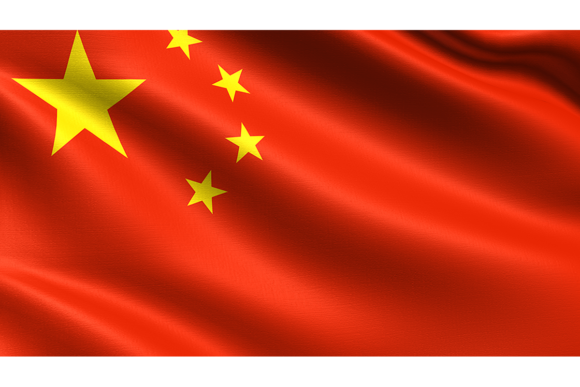
China Flag, Waving Fabric Texture: A Realistic Design Asset
Capturing Authenticity and Motion in Design
There is a distinct power in seeing a national flag depicted not as a flat, static emblem, but as a tangible object caught in a moment of movement. The China Flag, Waving Fabric Texture is a high-fidelity digital asset that transcends simple graphic representation. It offers a realistic flag appearance, characterized by highly detailed fabric texture that mimics the natural drape and flow of cloth. This is not merely an illustration of the flag; it is a digital capture of the flag as a physical object, with visible thread weaves, light catching on the ridges of the folds, and the dynamic energy of a beautiful flag blowing in the wind.
For designers and content creators, this asset addresses a common challenge: the need for visual elements that feel genuine and grounded. A flat vector graphic has its place, but when a project requires emotional resonance, cultural respect, or a sense of physical presence, a realistic fabric texture becomes invaluable. The subtle gradients in the red field, the way the golden stars sit within the folds—these details contribute to a visual personality that is both authoritative and approachable. It speaks of heritage, national pride, and the timeless symbolism of the People's Republic of China.
Strategic Applications for Modern Creators
The utility of a waving fabric texture extends far beyond decorative borders. Its integration into brand identity and marketing materials can significantly elevate perceived quality. Consider a multinational corporation's presentation on Sino-international partnerships. Using a static, clip-art-style flag might feel perfunctory. However, incorporating a highly detailed fabric texture of the flag as a background or accent element conveys respect, attention to detail, and a sophisticated understanding of visual communication. It adds a layer of professionalism that audiences instinctively recognize.
In the realm of digital design, the asset's specifications—3840×2160px resolution in a .jpg format—make it exceptionally versatile. This high resolution ensures clarity across large screens, making it perfect for motion graphics backgrounds in video production, immersive website hero sections, or high-impact social media graphics. For print document designers, the image quality is sufficient for large-format prints, such as event backdrops, report covers, or educational posters, without pixelation.
Integrating Texture into Visual Hierarchy
The visual weight and texture of this asset naturally command attention. A skilled designer can leverage this to establish visual hierarchy. Used as a background, it sets a definitive tone without overwhelming foreground text, provided appropriate contrast and spacing are applied. In editorial design, such as a magazine spread about Chinese culture or commerce, a cropped section of the waving fabric texture can serve as a compelling header or divider, guiding the reader's eye and reinforcing the theme. The key is to treat the texture as a supporting character that enhances the main message, not competes with it.
When pairing this asset with typography, contrast is your ally. A clean, modern sans serif font for headlines can create a striking balance against the organic, traditional texture of the waving flag. This combination speaks to a brand that is both rooted in heritage and forward-thinking. Alternatively, for a more formal or ceremonial context, a classic serif font might be chosen to complement the flag's gravitas. The asset itself is a powerful design asset, and its interaction with type defines the final mood.
Practical Guidance for Effective Use
Before integrating the China Flag, Waving Fabric Texture into a project, a few practical considerations ensure its effectiveness. First, always evaluate the context. Is the tone celebratory, informational, or formal? The dynamic nature of the beautiful flag blowing in the wind carries energy. For a solemn commemorative piece, you might opt for a still frame or a subtle animation. For a promotional video for a cultural festival, the full motion is ideal.
Second, consider composition and color harmony. The dominant red and gold are vibrant. When placing text or other graphics over the texture, ensure sufficient legibility. This might involve applying a subtle dark overlay or gradient to the image portion behind the text, or selecting font colors with high contrast—crisp white or deep black often work well. Think of the texture as a rich, red canvas; your other elements need to be painted on with care.
Finally, while the asset is provided as a .jpg, which is universally compatible, remember that for web use, optimizing the file size without sacrificing visible quality is a good practice to ensure fast page loading. For projects where you need to manipulate the texture extensively, such as in advanced motion graphics compositing, having the highest possible resolution source is a significant advantage.
Beyond Aesthetics: Building Recognition and Consistency
Using a consistent, high-quality visual representation of the national flag across all of a brand's touchpoints—be it website headers, email signatures, presentation templates, or social media graphics—builds subconscious recognition and trust. It signals that the brand pays attention to detail and respects the symbols it uses. This consistency is a cornerstone of strong brand identity. Whether you are a small business owner in Shanghai or a marketer in New York creating content for a global audience, the choice of asset reflects directly on your brand's standards.
This particular asset, with its emphasis on realism and texture, is best suited for projects where authenticity and visual richness are desired. It might not be the right fit for a minimalist, abstract logo design, but it is perfect for a backdrop in a keynote presentation, the header of a corporate report, or a compelling visual in a video advertisement. It serves as a powerful creative font in the visual language toolkit—not a typeface, but a foundational image element that sets the stage for all other design choices.
In summary, the China Flag, Waving Fabric Texture is more than a stock image. It is a versatile, high-resolution design asset that brings a sense of place, movement, and tangible reality to digital and print projects. Its strength lies in its detailed realism, offering creators a tool to communicate with greater depth and professionalism. By thoughtfully integrating it into your work, you can enhance visual storytelling, strengthen brand perception, and engage your audience with a familiar symbol presented with exceptional quality and respect.