Tanzania Flag: Waving Fabric Texture for Realistic Design
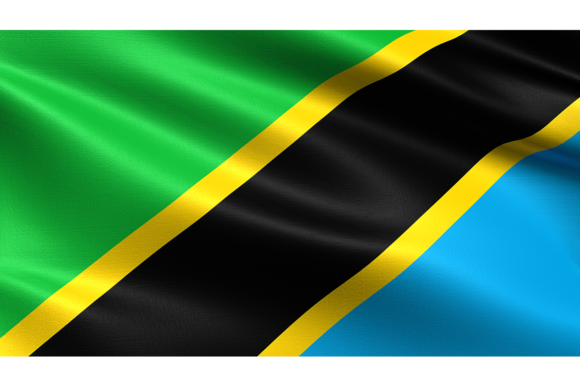
Finding the right background element can often make or break a design project. While we frequently obsess over typography—whether we need a specific serif font or a modern sans serif font—the texture behind the text is equally vital for establishing mood. Enter the Tanzania Flag, Waving Fabric Texture. This isn't just a static clipart image; it is a highly detailed, realistic depiction of the national flag caught in the breeze, offering a dynamic and tactile quality that static images simply cannot match.
When you look at this asset, the first thing you notice is the realism. The fabric isn't flat; it has depth, shadows, and highlights that mimic heavy cloth moving through the air. The colors of Tanzania—represented by the Golden-Yellow (representing the mineral wealth), Black (representing the people), Green (representing the natural resources), and Blue (representing the Indian Ocean)—are rendered with high fidelity. This creates a "lived-in" feel, which is essential for modern graphic design where authenticity often trumps perfection.
Visual Characteristics and Appeal
The primary strength of this image lies in its texture. As a waving fabric texture, it introduces a sense of movement and energy. In the world of design assets, texture adds "tooth" to a composition. It prevents the background from feeling sterile. For a designer, this specific image acts as a bridge between a flat digital screen and the physical world. It looks like a real flag hanging in an office or blowing in the wind outside a building. This tactile quality is crucial for projects that need to feel grounded and real.
Furthermore, the image is delivered in a Resolution: 3840×2160px. This 4K quality ensures that the fabric weave is visible even when zoomed in. You can see the individual threads and the way light catches the ridges of the folds. This level of detail makes it a premium font equivalent in the image world—it is a high-end asset suitable for commercial font branding projects or high-stakes presentations where pixelation is unacceptable.
Practical Applications Across Industries
How do you actually use a Tanzania Flag with a waving texture? The applications are broader than you might initially think. Because the image is provided in a universal .jpg format, it integrates seamlessly into almost any software workflow.
Corporate and Editorial Use
For businesses operating in East Africa or those with ties to the region, this asset is invaluable for brand identity. It works beautifully as a backdrop for corporate presentations. Instead of a plain slide, placing your company logo over the waving flag creates an immediate sense of national pride and legitimacy. It is also perfect for editorial design. If you are publishing a magazine article or a blog post about Tanzanian tourism, culture, or economics, using this as a hero image sets the scene instantly. It pairs well with strong display font headlines that can stand out against the complex background.
Digital and Motion Graphics
In the realm of web design and social media graphics, movement captures attention. While this is a static image, the visual representation of motion tricks the eye into seeing energy. It is an excellent background for video intros or lower thirds in motion graphics. For content creators on platforms like Instagram or LinkedIn, using this texture for event announcements—such as Independence Day or national team support—adds a layer of professionalism that generic stock photos lack.
Print and Packaging
Do not limit this to digital screens. In packaging design, a waving flag texture can be used to create patriotic-themed merchandise. Imagine a notebook cover, a mug wrap, or a t-shirt print. The high resolution ensures that when you scale the image for large-format printing, such as banners or posters, the fabric texture remains crisp. It serves as a powerful background for logo design mockups, allowing clients to see how their branding looks in a real-world context.
Integrating the Asset into Your Workflow
Using a complex background like a waving flag requires some strategic thinking regarding readability. Because the fabric folds create varying contrast levels, you cannot simply slap black text on top of it and expect it to be legible.
Typography and Contrast
To make this asset work, you need to treat the flag as a supporting character, not the main event. If you are overlaying text, consider using a semi-transparent overlay or a "knockout" shape behind your typography. A bold, heavy typeface works best here. A thin, delicate script font or handwritten font might get lost in the folds of the fabric. Instead, opt for a sturdy sans serif font with high weight. White or dark charcoal text usually contrasts well against the green and blue sections of the flag, but always check the specific area where your text lands to ensure the contrast ratio meets accessibility standards.
Composition and Cropping
Because the image is so detailed, you have the freedom to crop it creatively. You don't always need to show the whole flag. Cropping in on a specific corner where the Golden-Yellow and Green bands meet can create an abstract, colorful background that is still thematically relevant but less visually busy. This approach works well for web design headers where you need a subtle nod to the theme without overwhelming the navigation menu.
Why Texture Matters in Modern Design
We are currently seeing a shift in modern typography and design trends away from the ultra-flat aesthetic of the last decade. Designers are bringing back "grain," "noise," and "texture" to add soul to their work. The Tanzania Flag, Waving Fabric Texture fits perfectly into this trend. It adds a human element. A waving flag suggests life, breath, and movement. It suggests that the brand or content associated with it is active and vibrant.
For the entrepreneur or small business owner, utilizing high-quality assets like this signals that you care about details. It shows that you invest in your visual presentation. Whether you are creating a pitch deck, a social media ad, or a print document, the quality of your background assets contributes to the overall perception of your brand's professionalism.
Final Thoughts on Versatility
The true value of this asset is its versatility. It is not just a picture of a flag; it is a piece of design material that can be manipulated, color-corrected, and composited to fit a wide variety of creative needs. Whether you are a designer looking for a realistic element for a mockup, a marketer creating a campaign, or a hobbyist working on a personal project, this waving fabric texture provides a solid, high-resolution foundation. It bridges the gap between the digital and the physical, offering a tangible sense of place and pride that resonates with audiences. By combining this realistic background with thoughtful typography and clean layout principles, you can create visuals that are not only beautiful but also deeply engaging.