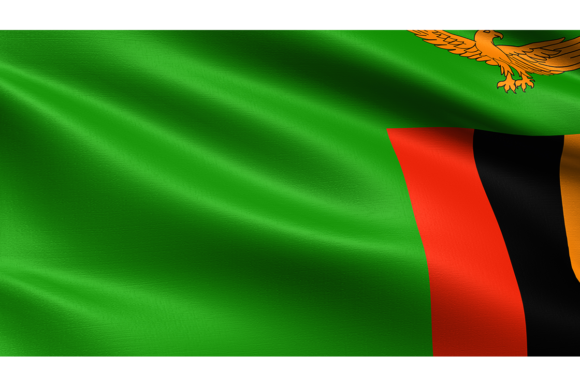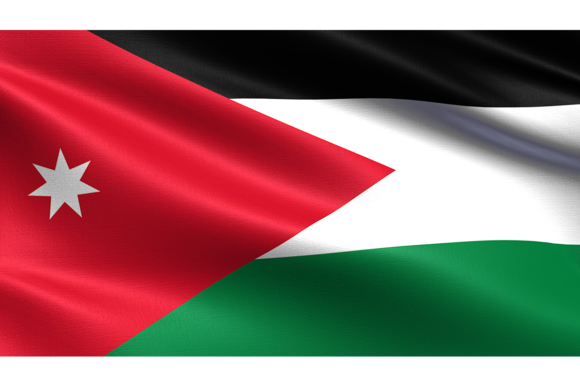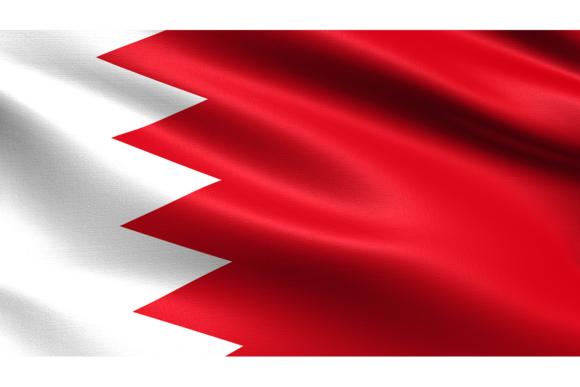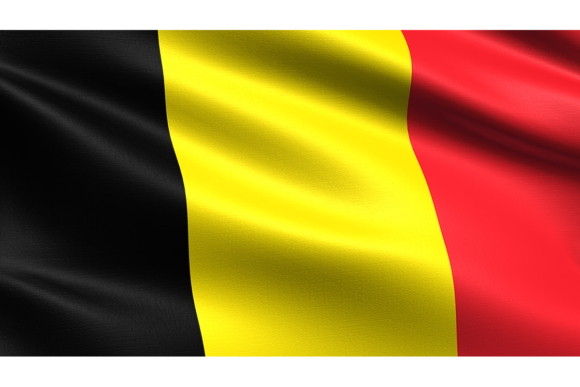
Hungary Flag, Waving Fabric Texture: A Designer's Guide
More Than a Symbol: The Power of Realistic Texture
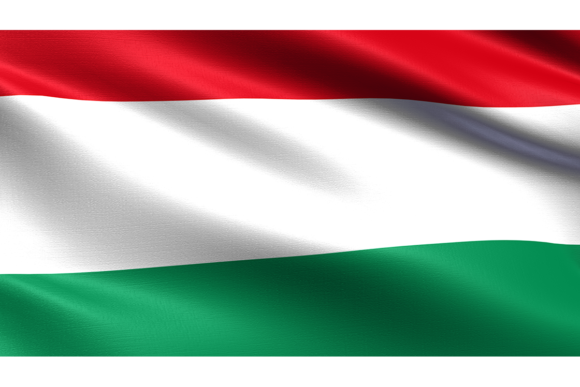
When you need to represent Hungary, a flat, static image often falls short. It lacks life, movement, and the tactile quality that makes a design feel authentic. This is where the Hungary Flag, Waving Fabric Texture asset transforms your work. It’s not just a digital file; it’s a carefully crafted simulation of a real flag caught in a breeze. The visual characteristics are immediately striking. You see the distinct horizontal tricolor—red, white, and green—rendered with lifelike depth. The fabric isn't smooth; it has a nuanced, woven texture, with subtle creases, folds, and shadows that respond to the implied light source. This creates a powerful sense of three-dimensionality and realism.
The personality of this asset is confident, authentic, and dynamic. It conveys movement and energy, making it far more engaging than a static clipart version. Its style bridges the gap between documentary realism and polished graphic design. The overall appeal lies in its versatility. For a designer, it’s a ready-made solution that adds instant professionalism. For a marketer, it’s a tool to create more compelling and emotionally resonant visuals. The high-resolution 3840×2160px JPG file ensures that whether you use it as a small accent or a dominant background, the detail remains crisp and clear.
Practical Applications Across Your Projects
The true value of a premium design asset like this lies in its application. Let's break down where this waving fabric texture excels. In presentation design, it can serve as a powerful, thematic background for slides discussing international business, cultural topics, or travel. The texture adds depth without overwhelming text and data. For social media graphics, it’s perfect for creating eye-catching posts for national holidays, sports events, or heritage months. The movement in the fabric naturally draws the eye in a fast-scrolling feed.
In the realm of brand identity and logo design, this asset is invaluable. A company with Hungarian roots or partnerships can integrate this texture into secondary brand elements, merchandise mockups, or event signage to reinforce its connection authentically. It works beautifully in editorial design—imagine it as a header image in a magazine article or a background in a travel blog post. For packaging design, it can add a layer of cultural authenticity to products sourced from Hungary. The key is to use it not as a literal representation of a flag, but as a textural element that evokes a feeling of heritage, quality, and dynamism.
Consider these specific use cases:
- Web Design: Use it as a full-width hero image or a subtle, repeating background pattern for a section.
- Print Documents: Enhance reports, brochures, or certificates related to Hungary with this high-resolution texture.
- Motion Graphics: The static image can be used as a texture map for a 3D flag animation or a subtle parallax effect in a video intro.
- Digital Invitations & Flyers: Create standout graphics for events like a national day celebration or a cultural festival.
Integrating the Asset: A Practical Workflow
Simply having a great asset isn't enough; effective integration is what separates good design from great design. Start by evaluating your project's needs. Does your project call for a display font with personality, or is this the moment for a subtle textural background? The Hungary Flag, Waving Fabric Texture typically works best as a supporting actor, not the main star. Its role is to set a tone and provide context.
When it comes to font pairing, let the texture inform your choice. The realistic, detailed nature of the fabric pairs well with clean, modern typefaces. A crisp sans serif font like a geometric or grotesque style will provide excellent contrast and ensure readability against the textured background. For a more traditional or editorial feel, a sturdy serif font can also work, provided the text has sufficient size and weight. Avoid overly ornate script fonts or handwritten fonts for body text, as they can become illegible. Use them sparingly for short headlines if the style fits.
Always test your layout. Place your text over different areas of the flag image to find where the contrast is strongest—often over a more uniformly colored or shadowed section. Adjust the opacity of the background image if it competes with your foreground content. Remember, the goal is to use this creative font asset to enhance your message, not to obscure it. By treating the Hungary Flag, Waving Fabric Texture as a strategic design asset, you move beyond simple decoration and into the realm of effective visual communication that strengthens your project's brand perception and audience engagement.