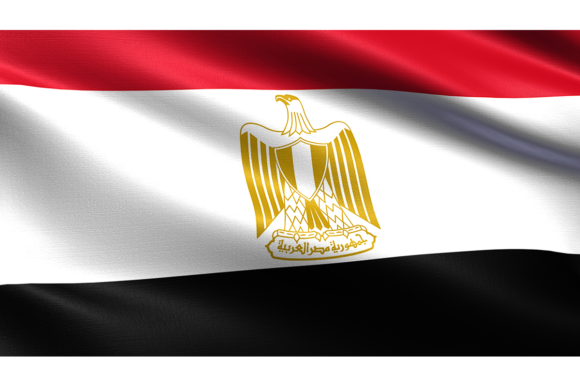
Egypt Flag, Waving Fabric Texture: A Realistic Asset for Modern Designers
When you are building a presentation or a social media campaign, the difference between amateur and professional often comes down to the details. Stock imagery has moved beyond flat, static graphics. Today, the demand is for immersion and realism. This is exactly where a high-quality asset like the Egypt Flag, Waving Fabric Texture becomes invaluable. It is not merely a logo placed on a slide; it is a tactile, visual element that brings the subject matter to life. We are talking about a highly detailed, realistic flag blowing in the wind, capturing the specific way light hits heavy textile and how gravity pulls on a waving banner.
For designers, entrepreneurs, and content creators, finding the right asset that balances high resolution with practical application is a constant challenge. You need an image that looks crisp on a 4K monitor but also prints beautifully on a brochure. This particular asset, featuring a resolution of 3840×2160px, solves that problem by providing a canvas that is ready for any medium. Whether you are a brand strategist working on a client’s identity or a hobbyist creating a scrapbook page, the realism of a waving fabric texture adds a layer of sophistication that flat graphics simply cannot match.
The Power of Realism in Visual Communication
There is a psychological shift that happens when a viewer sees a texture they recognize. A flat color swatch is informative, but a Waving Fabric Texture is emotive. It suggests movement, energy, and presence. In the context of the Egyptian flag—comprising the red, white, and black horizontal bands with the golden Eagle of Saladin—the texture adds weight to the symbolism. The folds in the fabric create natural shadows and highlights, making the colors pop with a three-dimensional quality.
This level of detail is crucial for modern typography and layout design. Imagine you are designing a poster or a website header. If you place text over a flat, solid block of color, it can feel disjointed from the rest of the design. However, if you use the Egypt Flag, Waving Fabric Texture as a background, you create a rich environment for your typography. The texture acts as a grounding element, allowing you to play with visual hierarchy. You can overlay a bold display font or a clean sans serif font on top of the waving material, and the interplay between the rigid geometry of the letters and the organic flow of the fabric creates a compelling contrast.
Integrating High-Resolution Assets into Your Workflow
One of the most common frustrations in the creative industry is purchasing a design asset only to find that the resolution is too low for the intended use. With the Egypt Flag asset provided in a 3840×2160px .jpg format, you have the flexibility to crop, zoom, and reposition without losing clarity. This is particularly important for motion graphics and video editing. When you are animating a background, you often need to pan across an image or zoom in slowly. A standard definition image will pixelate immediately. A 4K texture, however, remains sharp, ensuring your final video product looks professional and polished.
For print document creation, the high resolution ensures that the texture of the fabric is visible even on smaller formats. If you are creating a certificate, a letterhead, or a flyer, the subtle weave of the fabric in the image translates to a high-quality finish on paper. It suggests that the content you are presenting is premium and well-considered. This is a subtle but effective way to boost brand perception. When a client or a customer sees that you have used high-fidelity imagery, they subconsciously associate your brand with quality and attention to detail.
Practical Applications for Content Creators and Businesses
The utility of a beautiful flag blowing in the wind extends far beyond simple decoration. For businesses operating in travel, tourism, history, or international relations, this asset is a staple. However, its application is much broader when viewed through the lens of design assets and brand identity.
Social Media and Web Design
In the fast-paced world of social media, stopping the scroll is the primary objective. Dynamic imagery performs significantly better than static text. Using the Waving Fabric Texture as a background for Instagram stories, Facebook covers, or LinkedIn banners adds immediate visual interest. It breaks the monotony of the feed. For web design, this image can serve as a hero section background. It sets the tone immediately upon arrival. When paired with the right font pairing, such as a strong serif for headers and a light sans-serif for body text, the waving flag provides a cohesive visual anchor.
Editorial and Packaging Design
For publishers and bloggers, the texture offers a fantastic way to break up long blocks of text. Using the flag image as a "break" graphic or a full-page background behind a pull quote can refresh the layout of a digital magazine or a print document. In packaging design, especially for products that wish to evoke a sense of heritage or connection to Egypt, the texture can be used to wrap boxes or label bottles. The realism of the fabric implies authenticity. It suggests that the product inside is genuine and crafted with care.
Enhancing Readability and Visual Hierarchy
A common mistake in design is prioritizing the background image to the detriment of the message. The Egypt Flag, Waving Fabric Texture is vibrant and detailed, which means it requires careful handling to ensure your text remains legible. This is where understanding visual hierarchy becomes essential.
Because the flag has distinct bands of color, you can use these zones strategically. The white band, for example, is an ideal location for dark text. If you are overlaying a headline, consider positioning it over the lighter areas of the image. If you must place text over the red or black bands, you will need to adjust the contrast. This is where a semi-transparent overlay or a drop shadow on your creative font can help. The goal is to maintain the beauty of the realistic flag while ensuring your call to action or key information is easily readable.
Furthermore, the "waving" nature of the asset creates a natural flow. The eye tends to follow the curves of the fabric. As a designer, you can use this to your advantage. Align your text or graphical elements with the flow of the fabric. This creates a harmonious composition rather than a chaotic one. It is a technique often used in logo design and editorial spreads to guide the viewer's eye from the header down to the body copy.
Choosing the Right Assets for Your Project
When selecting design assets, it is not just about finding a pretty picture; it is about finding the right tool for the job. The Egypt Flag, Waving Fabric Texture is a specific tool. It is best used when you want to convey a sense of reality, movement, and significance. It works well in projects that require a touch of gravitas or patriotic flair.
Before integrating it into your workflow, consider the following practical steps:
- Evaluate Project Fit: Does the project require a realistic texture, or would a flat vector graphic be more appropriate? For serious, high-stakes presentations or premium branding, the realistic texture wins.
- Test Font Pairings: Because the background is complex, your typography needs to be strong. A bold display font often works better than a delicate script font or handwritten font against a waving fabric, as the bold letters stand up to the visual noise of the texture.
- Check Licensing: Always ensure the asset is cleared for your specific use. Whether it is for personal use or a commercial font and image project, understanding the rights protects you and your client.
- Resolution Management: While the image is 3840×2160px, ensure your software can handle the file size, especially if you are layering multiple high-res assets in motion graphics software.
Conclusion: Elevating Your Visuals
In a digital landscape saturated with low-effort content, investing in high-quality, realistic assets like the Egypt Flag, Waving Fabric Texture sets you apart. It is a versatile design element that enhances brand identity, improves visual hierarchy, and adds a professional polish to everything from social media graphics to large-format prints. By understanding how to leverage the texture's realism and high resolution, you can create designs that are not only beautiful but also effective in communicating your message with clarity and impact.