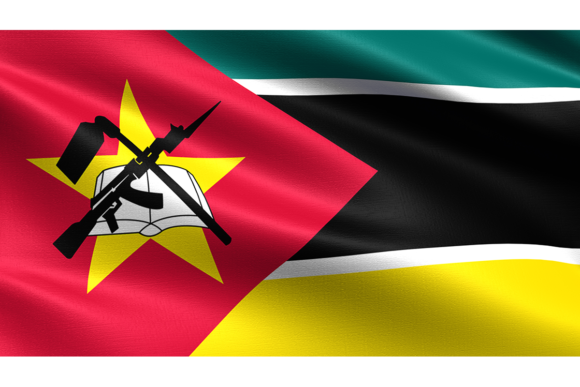
Mozambique Flag: Realistic Waving Fabric Texture for Designers
Capturing the true essence of a nation's symbol requires more than just flat colors and vector lines. You need movement, depth, and a sense of realism that connects with the viewer emotionally. This is exactly where the Mozambique Flag Waving Fabric Texture excels. It transforms a standard image into a tactile experience, featuring a highly detailed fabric weave that responds to light and shadow as if caught in a gentle breeze. For designers and content creators, this asset bridges the gap between digital flatness and physical reality. It isn't just a picture of a flag; it is a piece of premium digital craftsmanship designed to add sophistication to your projects.
The Power of Texture in Visual Communication
In modern visual communication, texture plays a critical role in how we perceive a subject. A flat graphic often feels sterile or disconnected, whereas a waving fabric texture implies history, movement, and presence. When you look at this specific asset, you immediately notice the intricate detailing of the weave. The light catches the crests of the folds while soft shadows settle into the valleys, creating a three-dimensional effect that is incredibly lifelike. This level of realism is essential for projects that demand high visual hierarchy and emotional engagement.
The visual personality of this asset is bold yet elegant. The dynamic movement of the wind suggests action and energy, making it a perfect fit for themes involving travel, culture, international relations, or heritage. Unlike a static logo, a realistic flag texture tells a story. It speaks of endurance and identity. For a brand strategist or marketer, using this texture can instantly elevate the perceived value of a campaign, moving it away from generic stock imagery toward something that feels authentic and curated.
Strategic Applications for Creative Professionals
Understanding where to deploy the Mozambique Flag texture is key to maximizing its impact. Its versatility is one of its strongest assets, fitting seamlessly into a wide range of professional contexts. Here is how different creative fields can leverage this high-resolution image:
- Editorial and Web Design: In web design, hero images need to capture attention immediately. Using this waving flag as a background for a travel blog or a cultural news site adds immediate context without distracting from the headline text. The resolution is high enough that it remains crisp even on 4K monitors, ensuring your site looks professional and polished.
- Presentation Backgrounds: Standard presentation slides often look bland. By integrating this fabric texture into the background, you create a visual hierarchy that guides the audience's eye. It is particularly effective for speakers discussing international markets, history, or global strategy. The subtle movement implies progress and dynamism.
- Social Media and Motion Graphics: On platforms like Instagram or LinkedIn, stopping the scroll is the primary goal. The realistic texture stands out against standard digital graphics. Furthermore, for motion graphics, this image is an excellent starting point. Because the folds are so detailed, animators can use parallax effects to make the flag appear to ripple even more, creating engaging video intros or lower thirds.
- Print and Packaging: For print design, such as event flyers, brochures, or commemorative booklets, the high-resolution 3840×2160px file ensures that the fabric texture does not pixelate or become muddy. It adds a tactile quality to the paper, making the printed material feel more substantial and high-end.
Integrating the Asset into Your Brand Identity
When building a brand identity that involves national symbols or cultural motifs, consistency is vital. The Mozambique Flag Waving Fabric Texture serves as a unifying element across different platforms. Whether you are designing a logo lockup that sits on top of the flag or creating a series of social media posts, using the same high-quality texture ensures that your visual language remains consistent.
This asset works beautifully as a backdrop for typography. Because the texture has a natural variance in tone—lighter on the peaks of the folds and darker in the creases—it provides a rich canvas for text. Sans-serif fonts with bold weights tend to pop against the fabric, maintaining excellent readability. However, you should always test your text placement to ensure it doesn't get lost in the busiest part of the fold. A slight drop shadow or a semi-transparent overlay can help separate your message from the background, ensuring your design remains accessible.
Practical Considerations for Usage
Before integrating this asset into your workflow, there are a few practical aspects to consider to ensure the best results. First, consider the licensing. Ensure that the asset is cleared for commercial use if you plan to use it in client work, merchandise, or paid advertising. Most premium assets come with clear guidelines, but it is always the responsibility of the designer to verify permissions.
Second, think about font pairing. The texture of a flag is inherently busy. If you overlay a script font or a highly decorative handwritten font, the design might become illegible. Instead, opt for clean, modern typography. A strong sans serif font or a classic serif font with good spacing will contrast nicely with the organic, flowing nature of the fabric. This contrast creates a balanced composition that is pleasing to the eye.
Finally, consider the color grading of your overall project. The Mozambique flag has a specific palette of green, black, yellow, red, and white. When using this texture, try to pull accent colors from the flag itself to create a cohesive color story. This technique, often used in advanced graphic design, ties the elements together and makes the final product look intentional rather than assembled from random parts.
Ultimately, this design asset is more than just a picture of a flag. It is a tool for storytelling. By choosing a realistic, waving fabric texture, you are choosing to present the symbol of Mozambique with the dignity and respect it deserves, while simultaneously elevating the quality of your own creative work.