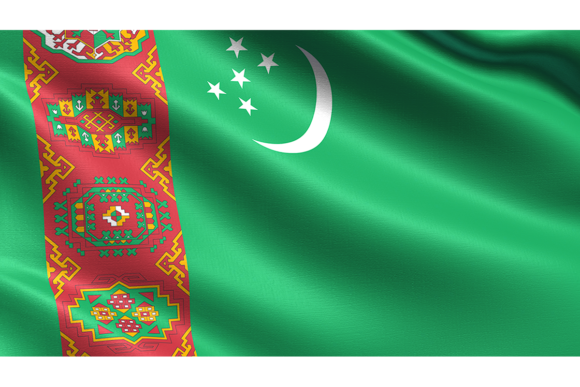
Integrating the Turkmenistan Flag: A Designer's Asset Guide
Why This Particular Flag Asset Stands Out
When you are building a presentation, a motion graphic, or a high-end digital campaign, the quality of your assets dictates the final output. We have all seen the difference between a blurry, low-resolution icon and a crisp, high-fidelity image. This is where a realistic representation of the Turkmenistan Flag becomes an indispensable part of your toolkit. Unlike flat vector graphics, which can sometimes feel sterile, this specific asset features a highly detailed fabric texture that adds immediate depth and context to your work. It is designed to look authentic, capturing the way light interacts with textile folds, making it perfect for projects that require a touch of realism.
The visual appeal of the Turkmenistan Flag is undeniable. It is a complex banner, featuring the distinctive vertical stripe on the hoist side that contains five traditional carpet guls (medallions). These symbols represent the five major tribes of the country: Tekke, Yomut, Saryk, Chowdur, and Arsary. Above these guls sits a white crescent and five stars, symbolizing the sky and the five senses. When rendered with a realistic texture, these intricate details do not just sit flat on the screen; they become part of a tangible object, blowing in the wind as if captured in a high-speed photograph. This dynamic movement makes it far more engaging than a static graphic.
Practical Applications for Designers and Marketers
As a creative professional, versatility is the name of the game. You might be working on a web design project for a travel agency, a series of social media graphics for a geopolitical news update, or a background element for a corporate video. This image fits seamlessly into all these scenarios. Because the resolution is a massive 3840×2160px, you have the freedom to crop, zoom, and manipulate the image without losing quality. This is essential for print document layouts where pixelation is unacceptable, or for large-scale motion graphics where the camera might pan across the flag.
Think about how this asset influences the hierarchy of your design. In editorial design, placing this high-resolution image as a hero element immediately draws the eye. The movement of the flag creates a natural leading line that can guide the viewer toward your headline or call to action. For packaging design or event branding, using the flag texture can add a layer of sophistication that a simple logo cannot achieve. It suggests that the brand pays attention to detail and values authenticity. This is not just about decoration; it is about creating an atmosphere. The fabric texture adds warmth, contrasting beautifully against the clean lines of modern serif font or sans serif font typography.
Enhancing Brand Identity and Audience Engagement
Consistency is the backbone of a strong brand identity. If your project involves cultural representation, historical context, or international relations, using a low-quality flag image can undermine your credibility. By integrating a premium asset like this, you signal professionalism. The Turkmenistan Flag, when presented with such clarity and realism, helps establish trust with your audience. It shows that you are not cutting corners on your visual assets. This is particularly important for entrepreneurs and small business owners who are trying to punch above their weight class against larger competitors with bigger budgets.
Furthermore, this asset pairs exceptionally well with various typographic styles. If you are using a display font for your headlines, the intricate patterns of the flag provide a rich backdrop that balances the boldness of the text. Conversely, if your layout relies on a delicate script font or handwritten font for a personal touch, the solid colors of the flag—green, red, and white—offer excellent contrast, ensuring your readability remains high. The key is to treat the flag not just as a symbol, but as a texture and a color palette source. You can sample the specific shades of green or the red of the vertical stripe to create a cohesive color scheme for your entire project.
Technical Integration and Design Workflow
Let’s talk workflow. As a designer, I often need assets that are "drag and drop" ready. This Turkmenistan Flag image is a .jpg file, which ensures wide compatibility across virtually every design software, from Adobe Photoshop and Illustrator to Canva and Figma. The high resolution means you can apply filters, such as blur or sharpen, without the image falling apart. For those working in video editing or motion graphics, the static image can be easily mapped onto a 3D plane to simulate a waving effect, or simply used as a dynamic background that pans slowly across the frame.
Consider the context of your logo design or presentation. If you are pitching a business idea related to the region, a blurry flag looks amateurish. A crisp, textured flag looks like a premium design asset that you paid for. It elevates the perceived value of the content you are presenting. For publishers and bloggers, embedding this image in an article about Central Asian culture or history adds visual weight that keeps readers on the page longer, reducing bounce rates and improving engagement metrics.
Choosing the Right Context for the Asset
While the image is versatile, context matters. It works best when it is given space to breathe. Avoid cluttering the area immediately around the flag with too many competing elements. Let the visual complexity of the carpet guls and the crescent act as the focal point. If you are using it as a background for text, consider adding a slight overlay or a gradient to ensure your white or dark text stands out clearly against the green and red sections.
Ultimately, having a high-quality, realistic representation of the Turkmenistan Flag in your library is about being prepared. Whether you are a hobbyist creating a scrapbook page, a marketer designing a campaign, or a publisher writing a history piece, this asset provides the visual hierarchy and professional finish that modern audiences expect. It is a small investment in quality that pays dividends in the final polish of your work.