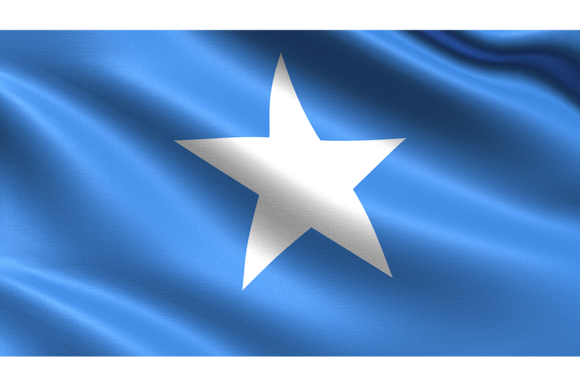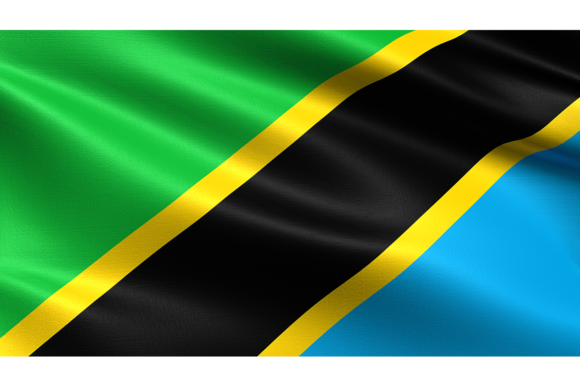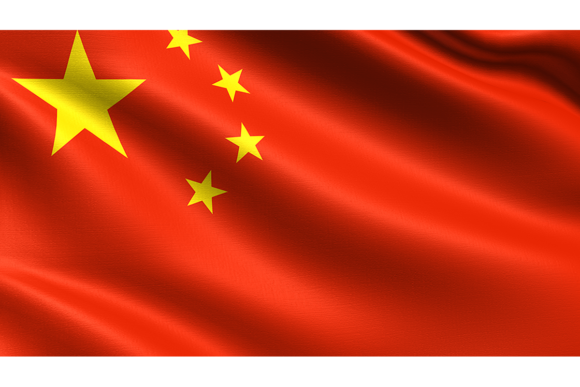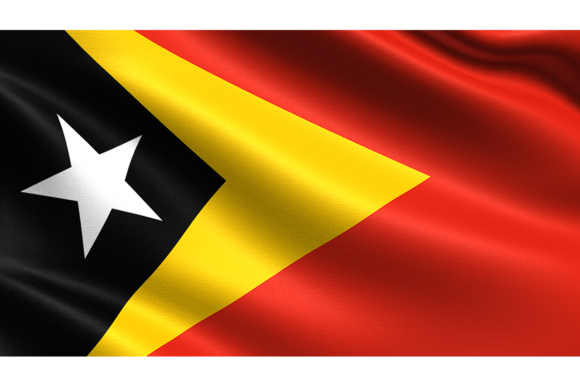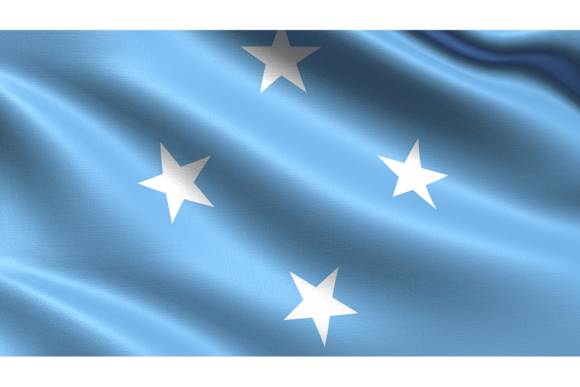
Micronesia Flag: Waving Fabric Texture for Realistic Design
Capturing the essence of a nation's pride often comes down to the subtle details of how a flag interacts with its environment. When you are working on a project that requires a high degree of realism, a static, flat image simply will not suffice. You need depth, movement, and tactile quality. This is exactly where the Micronesia Flag, Waving Fabric Texture resource becomes an indispensable part of your design toolkit. It is not just an image; it is a visual narrative that conveys motion and authenticity, transforming a standard graphic into a lifelike representation.
The visual characteristics of this asset are defined by its hyper-realistic fabric simulation. The texture captures the specific weave of high-quality nylon or polyester, with intricate details in the folds and creases that catch the light naturally. The flag features the iconic design of the Federated States of Micronesia—four white stars arranged in a diamond pattern against a blue field—rendered with sharp precision. The way the fabric billows creates a sense of depth, making the stars appear to move with the breeze. This level of detail ensures that the flag does not look pasted onto a background but rather integrated into the scene, providing a waving fabric texture that feels organic and alive.
Practical Applications for Modern Creators
For designers, entrepreneurs, and content creators, versatility is key. This high-resolution flag asset, formatted in .jpg at 3840×2160px, is engineered for a wide range of applications. Its 4K resolution ensures that it remains crisp and clear even when used in large-format printing or scaled down for digital use.
- Print Document and Editorial Design: In editorial design, context matters. If you are writing a travel guide, a political analysis, or a cultural magazine spread about the Pacific region, this image serves as a perfect visual anchor. It adds professionalism to brochures, posters, and event programs.
- Digital and Motion Graphics: For video editors and motion graphic artists, a high-quality texture is the foundation of a good composite. This image can be used as a static background element or as a base for subtle parallax animation in video intros, lower thirds, or YouTube backgrounds.
- Web and Social Media: Social media graphics demand immediate attention. Using a realistic flag image in posts related to national holidays, sports events, or travel blogs can significantly increase engagement. It works equally well as a hero image for a website banner or a textured background for a quote graphic.
- Packaging and Merchandise: For packaging design or merchandise meant to evoke a specific locale or heritage, this texture adds an authentic touch that generic clip art cannot replicate.
Enhancing Brand Identity and Visual Hierarchy
Visuals communicate faster than text. The use of a Micronesia Flag asset with a fabric texture influences how an audience perceives the content. A flat, vector-style flag might suggest a corporate or minimal aesthetic, whereas a beautiful flag blowing in the wind suggests tradition, history, and tangible reality. This distinction is vital for brand identity. It helps in establishing a mood—whether that is patriotic pride, adventurous travel, or historical reverence.
From a technical standpoint, this asset aids in visual hierarchy. Because the texture is detailed and the colors are vibrant, it draws the eye. You can use it to frame text, break up long blocks of copy, or highlight a specific section of a layout. The interplay of light and shadow in the fabric creates a natural contrast that makes overlaid text—provided it is styled correctly with a legible sans serif font or bold serif font—pop off the screen.
Integration and Design Strategy
Integrating a heavy, textured image into a design requires a thoughtful approach to balance. Here are some practical tips for working with this design asset:
- Font Pairing and Typography: When placing text over the waving fabric texture, legibility is the priority. The folds in the fabric create varying levels of background contrast. A solid display font with a heavy weight works best. Avoid delicate script fonts or handwritten fonts for body text, as they can get lost in the fabric's creases. However, a stylish script might work for a single large headline where the letterforms are large enough to remain distinct.
- Color Coordination: The flag features a specific shade of light blue and white. Use these colors as a base for your typography or accent elements to create a cohesive color palette. This consistency strengthens the overall brand identity of the project.
- Background Management: If you are using this as a full-bleed background, consider adding a semi-transparent overlay or a gradient mask. This darkens the image slightly, ensuring that your foreground content remains the focal point.
- Contextual Relevance: Always consider the context. This asset is perfect for projects that require a touch of realism or patriotism. It might be less suitable for ultra-modern, flat-design corporate reports unless used ironically or as a specific thematic element.
Ultimately, the value of a premium font or asset lies in its ability to elevate the final product. This creative font resource—specifically the high-fidelity Micronesia Flag, Waving Fabric Texture—bridges the gap between digital art and physical reality. It provides the depth and nuance needed to create professional, engaging, and visually rich content for any medium. Whether you are a small business owner creating promotional materials or a graphic designer